
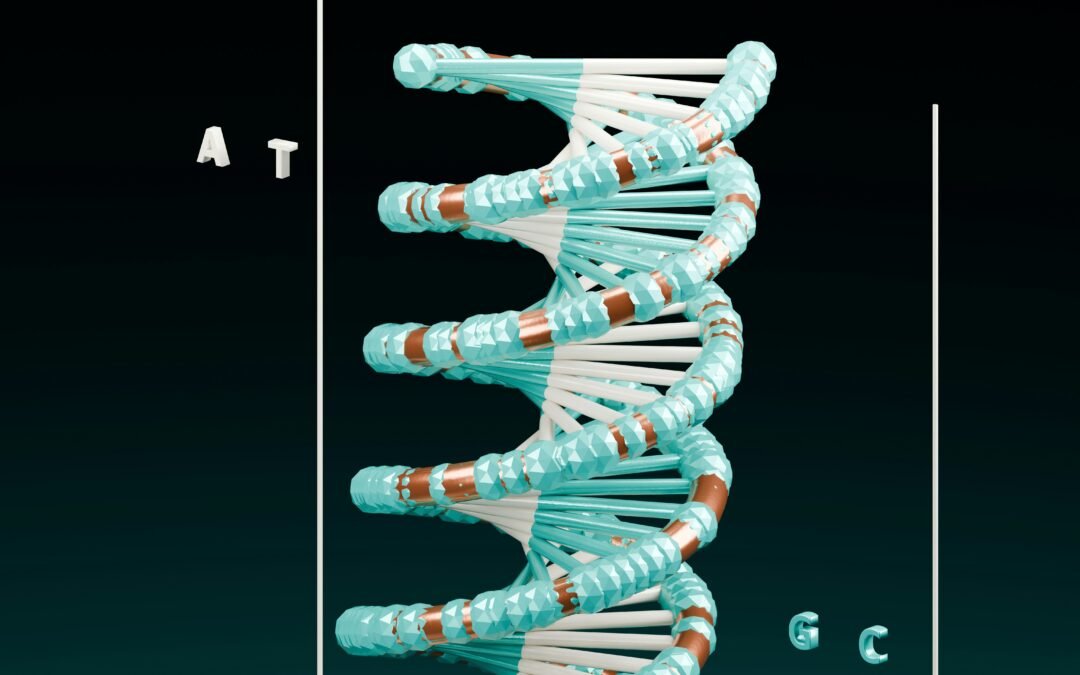
Understanding the Basics: Your Genetic Blueprint
You’ve probably heard a lot about DNA and genes, but what exactly are they? Think of your body as an incredibly complex machine, and your DNA (deoxyribonucleic acid) is the instruction manual. This manual is unique to you, and it contains all the information needed to build and operate your entire body.
These instructions are organized into units called genes. Each gene is like a specific recipe within your instruction manual, telling your body how to make a particular protein. Proteins, in turn, do most of the work in your cells, from building tissues to fighting off infections. Genetic testing essentially involves reading parts of this instruction manual to see what it says.
If you’re interested in understanding the intricacies of genetic testing, you might find the article “Understanding the Basics of DNA Testing” on Check Your DNA particularly informative. This resource delves into the fundamental concepts behind DNA analysis and complements the step-by-step guide on how genetic testing works. To explore this further, you can read the article here: Understanding the Basics of DNA Testing.
Why Might You Consider Genetic Testing?

You might be wondering why someone would want to read their genetic instruction manual. There are many reasons, ranging from understanding your ancestry to assessing certain health risks. It’s a way to gain insights into your unique biological makeup.
- Curiosity about Ancestry: Many people are curious about their heritage and where their ancestors came from. Genetic tests can trace your lineage back through generations.
- Health Risk Assessment: Some tests can indicate if you have a higher likelihood of developing certain conditions, like heart disease or certain cancers. This doesn’t mean you will get them, but it can inform preventative measures.
- Reproductive Planning: If you’re planning a family, genetic testing can identify if you or your partner carry genes for certain inherited conditions that could be passed on to your children.
- Pharmacogenomics: This fascinating area looks at how your genes might influence your body’s response to certain medications, helping doctors prescribe more effective treatments.
- Diagnosing a Condition: Sometimes, when someone is experiencing symptoms, genetic testing can help diagnose a specific genetic disorder.
It’s important to remember that genetic testing offers probabilities and insights, not always definitive answers. It’s one piece of your overall health puzzle.
How Do Labs Collect Your DNA Sample?

Before any analysis can happen, labs need a sample of your DNA. The good news is, getting a DNA sample is usually a very simple and non-invasive process. You don’t need to go through anything complicated or uncomfortable.
The Swab Method
This is one of the most common and easiest ways to collect your DNA. You’ll receive a kit in the mail, which typically includes sterile cotton swabs.
- Collection: You simply rub the swab firmly against the inside of your cheek for about 30-60 seconds. This collects buccal cells, which are cells from the lining of your mouth. These cells contain your DNA.
- Drying and Packaging: After swabbing, you’ll usually need to let the swab air dry for a short period. This prevents mold growth during transit. Then, you’ll place it into a sterile container or envelope provided in the kit.
- Shipping: You’ll mail your sample back to the lab using a pre-paid envelope. It’s designed to keep your sample safe and stable during its journey.
Saliva Collection
Another popular and straightforward method involves collecting your saliva. This is often used for direct-to-consumer genetic tests.
- Collection: You’ll spit into a tube provided in the kit until you reach a specific fill line. The tube usually contains a special solution that stabilizes your DNA, preventing it from degrading.
- Sealing and Packaging: Once you’ve provided enough saliva, you’ll seal the tube according to the instructions.
- Shipping: Similar to the swab method, you’ll then send your sealed sample back to the lab.
Blood Samples (Less Common for DTC)
While less common for direct-to-consumer (DTC) genetic tests that you might order online, blood samples are frequently used in clinical settings or for more comprehensive genetic analyses.
- Collection: A healthcare professional will draw a small amount of blood from a vein, typically in your arm. This procedure is done in a clinic or hospital setting.
- Processing: Blood contains many cells, including white blood cells, which have nuclei containing your DNA. The lab will then separate these cells for DNA extraction.
In India, while home collection kits are gaining popularity, blood samples drawn by a phlebotomist are still a very common method for genetic testing, especially when recommended by a doctor. The cost of collection can sometimes be included in the test price, or it might be a separate, smaller fee.
What Happens in the Lab? The Journey of Your DNA
Once your sample reaches the lab, it embarks on a fascinating journey of extraction, preparation, and analysis. This is where the magic of reading your genetic code truly begins. It’s a highly technical process, but we can break it down into understandable steps.
DNA Extraction
Imagine trying to read a tiny instruction manual that’s tucked away inside a cell. First, you need to get the manual out! This is what DNA extraction accomplishes.
- Cell Lysis: The first step is to break open the cells in your sample (from your cheek swab, saliva, or blood). This process, called lysis, uses special chemicals to dissolve the cell membranes and release all the cellular components, including the DNA.
- Separation: Once the cells are open, the DNA is mixed with other cellular components like proteins and fats. Scientists then use various techniques, such as centrifugation (spinning at high speeds) or chemical washes, to separate the DNA from these other components.
- Purification: The goal is to end up with a clean, high-quality sample of DNA. This purified DNA is then ready for the next steps of analysis. Think of it like filtering out all the noise so you can clearly read the instructions.
DNA Amplification (If Needed)
Sometimes, the amount of DNA extracted from a sample might be very small. To ensure there’s enough material to work with for accurate analysis, a process called amplification might be used.
- PCR (Polymerase Chain Reaction): This is a powerful technique that can make millions of copies of specific DNA segments. It’s like a biological copy machine for DNA. Scientists select a small region of interest, and PCR rapidly replicates it, creating enough material for subsequent testing. This is crucial for forensic science and many types of genetic tests.
Analyzing Your Genetic Code
Now that the DNA is extracted and, if necessary, amplified, the lab can start “reading” it. There are several different technologies used for this, depending on what type of genetic information the test is looking for.
Sequencing Your DNA
DNA sequencing is like reading every single letter in your genetic instruction manual, or at least specific chapters of it. There are different levels of sequencing:
- Whole Genome Sequencing (WGS): This is the most comprehensive type of sequencing. It reads nearly every letter (about 3 billion base pairs!) in your entire genome. It’s like reading every single word in every book of your instruction manual. While powerful, it’s also the most expensive and complex.
- Whole Exome Sequencing (WES): The “exome” refers to the small portion of your genome (about 1-2%) that contains instructions for making proteins. These are the most functionally important parts of your DNA. WES sequences only these protein-coding regions. Think of it as reading the key instruction sections in your manual, where most known genetic conditions are located.
- Targeted Panel Sequencing: This type of sequencing focuses on specific genes or regions of DNA known to be associated with particular conditions or traits. It’s like reading only a few very specific pages or paragraphs in your instruction manual that are relevant to a particular topic. For example, a cancer panel might sequence only genes known to be involved in cancer development.
The output of sequencing is a vast amount of data, essentially a long string of letters (A, T, C, G – the building blocks of DNA).
Genotyping: Looking for Specific Variations
Instead of reading everything, genotyping looks for specific predetermined variations (called single nucleotide polymorphisms or SNPs, pronounced “snips”) at particular locations in your DNA.
- SNP Arrays (Microarrays): This is a common technology used for many direct-to-consumer genetic tests. Imagine a tiny chip covered with millions of microscopic “probes” – short pieces of DNA designed to match specific SNPs. When your DNA sample is added to the chip, if a particular SNP is present in your DNA, it will bind to its matching probe. A fluorescent tag then illuminates that spot, indicating the presence of that SNP. This is like checking specific checkboxes in your instruction manual rather than reading entire sentences.
- Why Genotyping? It’s a cost-effective way to get a lot of information about common genetic variations linked to ancestry, certain health predispositions, and traits, without sequencing your entire genome.
In India, the availability and cost of these technologies vary. While basic genotyping for ancestry and common health markers is becoming more accessible, comprehensive sequencing like WGS remains relatively expensive and is often reserved for specific clinical diagnoses.
If you’re curious about the intricacies of genetic testing and want to delve deeper into the subject, you might find the article on the basics of DNA analysis quite enlightening. It provides a comprehensive overview of the various methods used in genetic testing and explains how these techniques can reveal important information about our ancestry and health. You can read more about it in this related article, which complements the step-by-step guide on how genetic testing works.
Interpreting Your Results: What Do They Mean?
| Step | Description | Key Metrics/Data |
|---|---|---|
| 1. Sample Collection | Collecting DNA sample from saliva, blood, or cheek swab. | Sample types: saliva, blood, buccal swab Collection time: 5-10 minutes |
| 2. DNA Extraction | Isolating DNA from the collected cells. | DNA yield: 1-10 µg per sample Purity ratio (A260/A280): 1.8-2.0 |
| 3. DNA Amplification | Using PCR to amplify specific DNA regions. | Amplification cycles: 25-35 Target region size: 100-1000 base pairs |
| 4. DNA Sequencing or Genotyping | Determining the order of nucleotides or identifying variants. | Sequencing accuracy: >99% Genotyping coverage: 500,000+ SNPs |
| 5. Data Analysis | Interpreting genetic variants and comparing to databases. | Variant classification: benign, pathogenic, uncertain Database references: ClinVar, dbSNP |
| 6. Reporting Results | Providing a report with findings and recommendations. | Report turnaround time: 1-4 weeks Includes risk assessment and counseling notes |
Once the lab has processed your DNA, the raw data needs to be analyzed and interpreted. This is a crucial step where those strings of A’s, T’s, C’s, and G’s are translated into meaningful information. You won’t just get a giant file of genetic code; instead, you’ll receive a report that summarizes the findings.
Bioinformatic Analysis
The first stage of interpretation is largely computational. Genetic data is enormous, and specialized software and algorithms are needed to make sense of it.
- Data Processing: Raw sequencing or genotyping data is processed to ensure quality and accuracy. This involves filtering out errors and aligning your genetic code to a reference human genome.
- Variant Calling: The software identifies any differences or “variants” between your DNA and the reference genome. These variants are the specific genetic changes that distinguish you from others.
- Annotation: Each identified variant is then “annotated” – researchers look up information about that variant in large databases (like ClinVar or gnomAD) to see if it has been previously linked to any traits, conditions, or drug responses.
Clinical Interpretation (for Health-Related Tests)
For genetic tests related to health, clinical interpretation is a critical step. This involves human experts reviewing the bioinformatic findings.
- Geneticists and Genetic Counsellors: These professionals evaluate the identified variants in the context of scientific literature, clinical guidelines, and sometimes, your family history. They assess whether a variant is “pathogenic” (disease-causing), “likely pathogenic,” “benign” (harmless), or a “variant of uncertain significance” (VUS, meaning its impact isn’t yet clear).
- Risk Assessment: For predisposition tests, they will determine if certain genetic markers indicate an increased or decreased risk for a particular condition. It’s important to remember that “risk” doesn’t mean certainty; it’s about probability.
- Pharmacogenomic Reports: If you’ve had pharmacogenomic testing, the interpretation will focus on how your genetic makeup might influence your body’s response to specific medications, often categorizing you as a “poor metabolizer,” “intermediate metabolizer,” or “extensive metabolizer” for certain drugs.
Ancestry and Trait Reports
For ancestry and trait reports, the interpretation focuses on patterns and frequencies of your genetic variants compared to large reference populations around the world.
- Ancestry Estimation: By comparing your unique combination of SNPs to those found in people from various geographic regions, algorithms estimate your ancestral origins and percentages. This is an estimate and can sometimes change as reference databases grow.
- Trait Prediction: Certain genetic variants are associated with physical traits (like eye color or hair type) or non-medical traits (like caffeine metabolism). The report will highlight these associations, often with a caveat that genetics are just one factor influencing complex traits.
It’s crucial to understand that direct-to-consumer genetic testing companies typically provide automated reports based on algorithms, sometimes with a review by an internal geneticist. If you undergo clinical genetic testing, the interpretation is often more in-depth and directly tied to your medical context.
Receiving and Understanding Your Results
Once the interpretation is complete, you’ll receive your genetic test report. This report is designed to convey the findings in an understandable way, though some sections might still feel technical.
Accessing Your Report
- Online Portal: Most direct-to-consumer companies provide your results through a secure online portal. You’ll typically receive an email notification when your results are ready.
- Mail: For some clinical tests, especially those with complex findings, you might receive a physical report in the mail.
- Through Your Doctor: If your genetic test was ordered by a doctor, they will usually receive the results first and then discuss them with you during an appointment.
Key Sections of a Report
While reports vary, common sections you might find include:
- Summary of Findings: A high-level overview of the most important results.
- Detailed Results: Specific genetic variants identified and their associated interpretations.
- Methodology: Information about the technology used (e.g., microarray, WES).
- Limitations: Crucial disclaimers about what the test can and cannot tell you, including the possibility of false positives/negatives or variants of uncertain significance.
- Recommendations (for clinical tests): If applicable, recommendations for further action, such as follow-up tests, lifestyle changes, or consultations with specialists.
- Resources: Links or contact information for genetic counsellors or support groups.
The Role of Genetic Counsellors
Especially when dealing with health-related genetic test results, a genetic counsellor can be an invaluable resource.
- Explaining Complex Information: They are experts in genetics and communication, able to break down complex scientific concepts into understandable language.
- Contextualizing Results: They help you understand what your results mean for you specifically, considering your personal and family medical history. They can differentiate between an increased risk and a diagnosis.
- Emotional Support: Receiving genetic results, especially those related to health risks, can be emotionally challenging. Genetic counsellors provide support and help you process the information.
- Informed Decision-Making: They help you weigh your options and make informed decisions about your health or family planning based on your genetic information.
In India, genetic counselling services are becoming more prevalent, particularly in metropolitan areas and at larger hospitals. While direct-to-consumer tests often don’t include counselling, it’s highly recommended to seek it out if you receive any unexpected or concerning health-related findings. The cost of a genetic counselling session can vary significantly across clinics and cities.
This article is for general educational purposes and is not a substitute for professional medical or genetic counselling advice.
FAQs
1. How is genetic testing performed?
Genetic testing is typically done by collecting a sample of blood, saliva, or tissue from the individual being tested. This sample is then sent to a laboratory where the DNA is extracted and analyzed for specific genetic variations.
2. What happens during the DNA analysis process?
During DNA analysis, the laboratory technicians look for changes or mutations in the genetic code that may be linked to certain genetic conditions or diseases. This is usually done using techniques such as polymerase chain reaction (PCR) or sequencing.
3. How are the results of genetic testing interpreted?
Once the DNA analysis is complete, the results are interpreted by genetic counselors or healthcare providers. They compare the individual’s genetic information to known genetic variations to determine if there are any concerning findings or increased risks for certain conditions.
4. What are the different types of genetic testing available?
There are several types of genetic testing, including diagnostic testing to confirm or rule out a suspected genetic condition, predictive testing to assess the risk of developing a disease, carrier testing to determine if an individual carries a gene for a specific condition, and pharmacogenomic testing to guide medication choices based on genetic factors.
5. Are there any risks or limitations associated with genetic testing?
While genetic testing can provide valuable information about an individual’s health and genetic makeup, there are some risks and limitations to consider. These may include the potential for inaccurate results, emotional impact of the findings, privacy concerns related to genetic data, and the possibility of genetic discrimination by insurers or employers based on the results.