
Unpacking Chromosome Testing: Your Friendly Guide
Ever wondered what makes you, well, you? A lot of it comes down to your chromosomes! These tiny, thread-like structures are packed with your genetic instructions. Sometimes, a closer look at these chromosomes can give us important insights into health and development. Let’s dive into what chromosome testing is all about.
When we talk about chromosome testing, we’re essentially looking at the “big picture” of your genetic material. Think of it like inspecting the chapters and paragraphs of a very long instruction manual, rather than individual words. This type of test helps us identify larger changes in these genetic blueprints.
What Are Chromosomes, Anyway?
Before we get into testing, let’s quickly recap what chromosomes are. Inside almost every cell of your body, you have a nucleus, and within that nucleus are your chromosomes. Humans typically have 23 pairs of chromosomes, making a total of 46. One set of 23 comes from your mother, and the other set of 23 comes from your father.
These chromosomes are made up of DNA tightly coiled around proteins. They contain all the genes that determine your traits, from your eye color to how your body develops and functions. They’re pretty amazing little packages of information!
Chromosome testing, also known as karyotyping, is a crucial tool in genetic diagnostics, helping to identify chromosomal abnormalities that can lead to various health conditions. For a deeper understanding of this topic and its applications, you can refer to the related article on genetic testing and its implications for health and wellness at Check Your DNA. This resource provides valuable insights into when chromosome testing is utilized and how it can aid in family planning and disease prevention.
How Chromosome Testing Works: A Sneak Peek

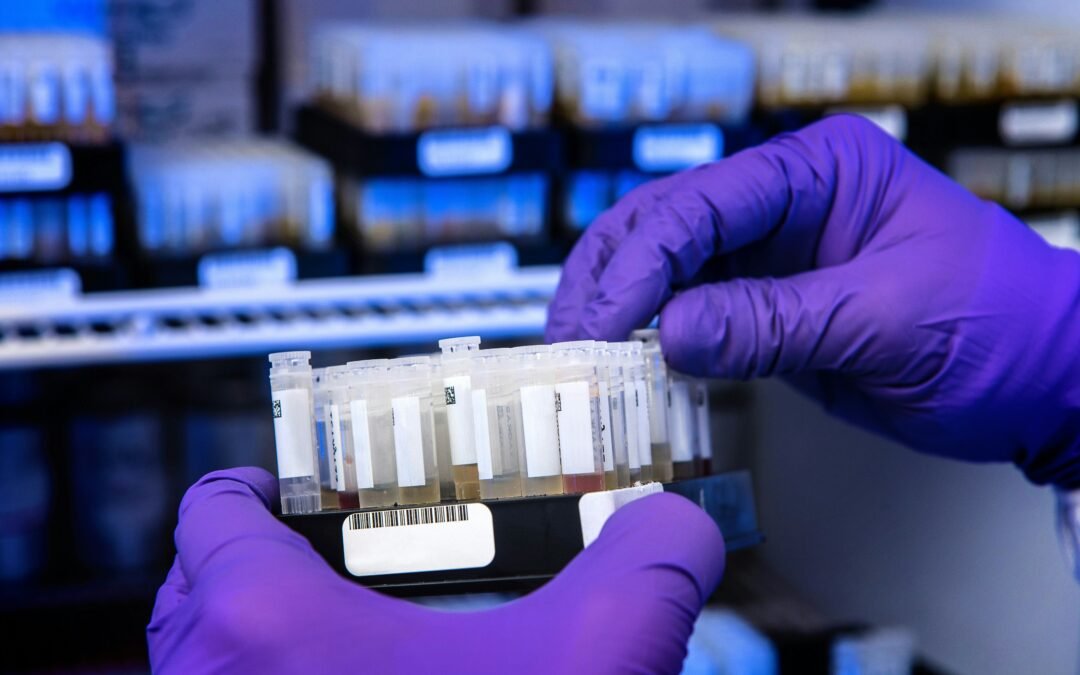
So, how do scientists actually look at these microscopic structures? It’s a fascinating process! Chromosome testing generally involves taking a sample of your cells and then preparing them in a special way to make the chromosomes visible under a powerful microscope.
The goal is to get a clear picture of the number and structure of your chromosomes. Any significant changes in these can sometimes be linked to certain health conditions or developmental differences. It’s a way to spot the larger genetic variations that might be at play.
Getting a Sample for Testing
The first step in any chromosome test is obtaining a sample of your cells. Don’t worry, it’s usually a straightforward process. The type of sample needed depends on the specific situation and what information is being sought.
For babies or children, a blood sample is very common. For adults, blood is also frequently used. Sometimes, other tissues like skin or bone marrow might be needed, but blood is often the go-to.
Preparing the Chromosomes for Viewing
Once the cells are collected, they go through several steps in a laboratory. First, the cells are grown in a special culture to encourage them to divide. This is because chromosomes are most visible when a cell is in the process of dividing.
Then, the cells are treated to stop them at a particular stage of division, fixed onto a glass slide, and stained with special dyes. These dyes create a unique banding pattern on each chromosome, making it easier to identify and analyze them. It’s like giving each chromosome a unique barcode!
Analyzing the Karyotype
The stained chromosomes are then photographed through a microscope. These photographs are then arranged into a standardized format called a karyotype. A karyotype is essentially an organized profile of a person’s chromosomes, arranged in pairs from largest to smallest, with the sex chromosomes (X and Y) usually placed last.
A trained professional, called a cytogeneticist, carefully examines the karyotype. They look for any extra or missing chromosomes, or any structural changes like pieces that are too long, too short, or rearranged. This careful inspection is key to identifying any chromosomal abnormalities.
Why Might Someone Consider Chromosome Testing?

Chromosome testing isn’t something that everyone needs, but it can be incredibly helpful in specific situations. It provides valuable information that can guide medical decisions, offer peace of mind, or help families understand a condition.
Think of it as a tool that helps piece together a puzzle when there are questions about development, fertility, or certain health concerns. It’s about gaining clarity and understanding.
Investigating Developmental Delays or Intellectual Disabilities
If a child experiences unexplained developmental delays, such as not meeting milestones like walking or talking at expected times, or if they have an intellectual disability, chromosome testing might be recommended. These delays can sometimes be linked to changes in chromosome structure or number.
Identifying a specific chromosomal cause can help families understand the condition better, predict potential future health challenges, and connect with appropriate support services. It provides a diagnostic label that can be very empowering for families.
Exploring Causes of Infertility or Recurrent Miscarriage
For couples struggling with infertility or experiencing multiple miscarriages, chromosome testing can sometimes shed light on the underlying cause. Sometimes, one partner might carry a balanced translocation, where pieces of chromosomes have swapped places without any net loss or gain of genetic material. While this might not affect their own health, it can lead to problems during conception or pregnancy.
Understanding such a translocation can help couples explore options like in vitro fertilization (IVF) with preimplantation genetic testing to select embryos with a normal chromosomal makeup. It offers a path forward and can reduce the emotional toll of unexplained reproductive issues.
Diagnosing Suspected Genetic Syndromes
Many well-known genetic syndromes are caused by chromosomal abnormalities. For example, Down syndrome (Trisomy 21) is caused by having an extra copy of chromosome 21. If a doctor suspects a specific syndrome based on physical features or other clinical signs, chromosome testing can confirm the diagnosis.
This confirmation is crucial for accessing targeted medical care, understanding the prognosis, and connecting with support groups. Early diagnosis can also lead to earlier interventions that improve outcomes.
Prenatal Diagnosis During Pregnancy
Chromosome testing is also a significant tool during pregnancy, especially if there are concerns about the baby’s development or if the parents have certain risk factors. This is called prenatal diagnosis.
One common reason for prenatal chromosome testing is advanced maternal age, as the risk of certain chromosomal conditions increases with age. Other reasons include abnormal findings on ultrasound or a family history of a chromosomal disorder.
Chorionic Villus Sampling (CVS)
One method for prenatal chromosome testing is chorionic villus sampling (CVS). This procedure is usually performed between 10 and 13 weeks of pregnancy. A small sample of tissue from the placenta (the chorionic villi) is taken, which contains genetic material from the baby.
CVS can provide results earlier in pregnancy compared to amniocentesis. It carries a small risk of miscarriage, and this is always discussed thoroughly with expectant parents before the procedure.
Amniocentesis
Another common prenatal testing method is amniocentesis, typically performed between 15 and 20 weeks of pregnancy. During this procedure, a small amount of amniotic fluid (the fluid surrounding the baby in the womb) is collected. This fluid contains fetal cells that can be used for chromosomal analysis.
Like CVS, amniocentesis also carries a small risk of miscarriage. Both procedures provide definitive diagnostic information about the baby’s chromosomes, which can help parents make informed decisions about their pregnancy and prepare for the baby’s arrival.
Different Types of Chromosome Tests
While the basic idea of looking at chromosomes is similar, there are a few different techniques used, each with its own strengths and specific applications. The choice of test depends on what kind of chromosomal change is suspected and what level of detail is needed.
These tests have evolved significantly over the years, becoming more precise and capable of detecting smaller and smaller genetic changes.
Karyotyping (Standard Chromosome Analysis)
As we discussed, karyotyping is the traditional method of visualizing and counting chromosomes. It’s excellent for detecting large-scale changes, such as extra or missing chromosomes (like in Down syndrome) or large structural rearrangements (like translocations, deletions, or duplications of large segments).
Think of it as looking at the entire library of genetic books to see if any books are missing, added, or if whole sections have been swapped. It’s a foundational test in genetics. However, it can miss very small changes or specific gene mutations.
Fluorescence In Situ Hybridization (FISH)
Fluorescence In Situ Hybridization (FISH) is a more targeted approach. Instead of looking at all chromosomes generally, FISH uses fluorescent probes that bind to specific regions of chromosomes. This makes those specific regions light up under a special microscope.
FISH is useful when a particular deletion, duplication, or rearrangement is suspected, but it might be too small to see with standard karyotyping. It can quickly confirm or rule out specific microdeletion or microduplication syndromes. It’s like shining a spotlight on a specific page in a genetic book to see if a particular paragraph is there or not.
Chromosomal Microarray (CMA)
Chromosomal Microarray (CMA), also known as array comparative genomic hybridization (aCGH), is a more detailed and advanced test. It can detect very small gains (duplications) or losses (deletions) of chromosomal material that are too tiny to be seen even with standard karyotyping or sometimes even FISH. These small changes are called copy number variants (CNVs).
CMA is often the first-line test for children with unexplained developmental delays, intellectual disabilities, or multiple congenital anomalies. It offers a much higher resolution look at the chromosomes, almost like zooming in on the words within the genetic books. However, CMA doesn’t detect balanced rearrangements, where genetic material is rearranged but no net gain or loss occurs.
Chromosome testing is a crucial tool in understanding genetic conditions, and it is often used in various medical scenarios, including prenatal screening and cancer diagnosis. For those interested in exploring more about the implications and processes involved in genetic testing, a related article can provide further insights. You can read more about this topic in the article What Is Chromosome Testing and When Is It Used?, which delves into the importance of chromosome analysis in modern medicine.
Considerations for Chromosome Testing in India
| Aspect | Description | When It Is Used | Common Tests | Purpose |
|---|---|---|---|---|
| Chromosome Testing | Analysis of chromosomes to detect genetic abnormalities or variations. | During pregnancy, infertility evaluations, or diagnosis of genetic disorders. | Karyotyping, FISH (Fluorescence In Situ Hybridization), Chromosomal Microarray Analysis (CMA) | Identify chromosomal abnormalities such as aneuploidies, deletions, duplications, or translocations. |
| Common Indications | Reasons for ordering chromosome testing. | Recurrent miscarriages, developmental delays, birth defects, infertility, or family history of genetic disorders. | N/A | To diagnose or rule out chromosomal causes of medical conditions. |
| Sample Types | Biological materials used for testing. | Blood, amniotic fluid, chorionic villus sampling (CVS), bone marrow, or tissue biopsies. | N/A | Provide cells for chromosome analysis. |
| Turnaround Time | Time required to obtain results. | Varies by test type; typically 1-3 weeks for karyotyping, faster for FISH. | N/A | Helps in timely diagnosis and management decisions. |
| Limitations | Constraints of chromosome testing. | May not detect all genetic mutations; some require DNA sequencing. | N/A | Understanding limitations guides further testing if needed. |
Access to genetic testing in India has grown significantly, though there are still some unique aspects to consider. Understanding these can help you navigate the process more smoothly.
Genetic counselling before and after testing is particularly important in the Indian context, given potential cultural implications and the complexity of genetic information.
Cost and Accessibility
The cost of chromosome testing in India can vary widely depending on the type of test (karyotyping is generally less expensive than CMA) and the laboratory. While costs have become more accessible over the years, they can still be a significant factor for many families. Some private insurance plans may cover genetic testing, but it’s important to check policy details.
Access to specialized genetic testing labs and genetic counsellors is concentrated in larger metropolitan areas. In more rural regions, access might be limited, and individuals may need to travel to larger cities for testing and consultation.
Consanguineous Marriages
In some communities in India, consanguineous marriages (marriages between close relatives) are more common. While chromosome abnormalities are generally not directly increased by consanguinity, these marriages do increase the risk of autosomal recessive genetic disorders, which are caused by mutations in single genes, not typically large chromosomal changes.
However, if a chromosomal abnormality is identified in a family with consanguinity, it can sometimes influence reproductive counseling for other family members, highlighting the importance of understanding family genetic history.
Importance of Genetic Counselling
Given the cultural nuances, family structures, and varying levels of genetic literacy, genetic counselling is exceptionally important in India. A genetic counsellor can explain the purpose of the test, its implications, potential results (including unexpected findings), and help families understand the complex information in a culturally sensitive manner.
They can also discuss reproductive options, ethical considerations, and provide emotional support, ensuring that families make informed decisions that align with their values and beliefs.
This article is for general educational purposes and is not a substitute for professional medical or genetic counselling advice.
FAQs
What is chromosome testing?
Chromosome testing, also known as karyotyping, is a laboratory test that examines the number, size, and shape of a person’s chromosomes. It can detect genetic abnormalities, such as extra or missing chromosomes, which can cause genetic disorders.
When is chromosome testing used?
Chromosome testing is used in various situations, including prenatal testing to screen for genetic disorders in a fetus, diagnosing genetic conditions in individuals with developmental delays or birth defects, and determining the cause of recurrent miscarriages.
How is chromosome testing performed?
Chromosome testing is typically done using a blood sample, which is sent to a laboratory for analysis. The cells are then cultured and stained to visualize the chromosomes under a microscope. The laboratory technicians examine the chromosomes for any abnormalities.
What are the different types of chromosome testing?
There are several types of chromosome testing, including karyotype analysis, fluorescence in situ hybridization (FISH), and chromosomal microarray analysis (CMA). Each type of testing has its own advantages and is used for different purposes.
Is chromosome testing invasive or risky?
Chromosome testing is usually not invasive or risky. For prenatal testing, samples can be obtained through procedures like amniocentesis or chorionic villus sampling, which carry a small risk of complications. However, for most individuals, chromosome testing is a safe and non-invasive procedure.