Understanding Genetic Disorders: A Friendly Guide
Have you ever wondered why you have your mother’s eyes or your father’s hair color? It all comes down to your genes, the tiny instruction manuals within your cells. Sometimes, these instructions can have typos or missing pages, leading to what we call genetic disorders. Don’t worry, we’re going to explore this fascinating topic together, keeping things simple and easy to understand. Think of this as a chat with a friend who’s a bit of a science buff!
1. What Exactly Are Genetic Disorders?
Imagine your body as a magnificent building, and your genes are the blueprints. Genetic disorders happen when there’s a flaw in these blueprints. These flaws, or mutations, can range from a single misplaced “brick” to entire sections of the blueprint being jumbled or missing. The impact of these changes can vary widely, from minor differences that don’t affect health much, to significant conditions that require ongoing medical care.
It’s important to remember that having a genetic disorder isn’t anyone’s fault. They are a natural part of biological variation. We’re going to break down the different ways these blueprint glitches can occur, so you can get a clearer picture.
For those interested in learning more about genetic disorders, a related article that provides valuable insights is available at Check Your DNA. This resource delves into various types of genetic conditions, their causes, and the implications for individuals and families affected by these disorders. It serves as a comprehensive guide for understanding the complexities of genetics and the importance of genetic testing in modern medicine.
The Building Blocks: Our Genetic Material

Before diving into the types of disorders, let’s quickly review the stars of our show: DNA, genes, and chromosomes.
### DNA: The Master Blueprint
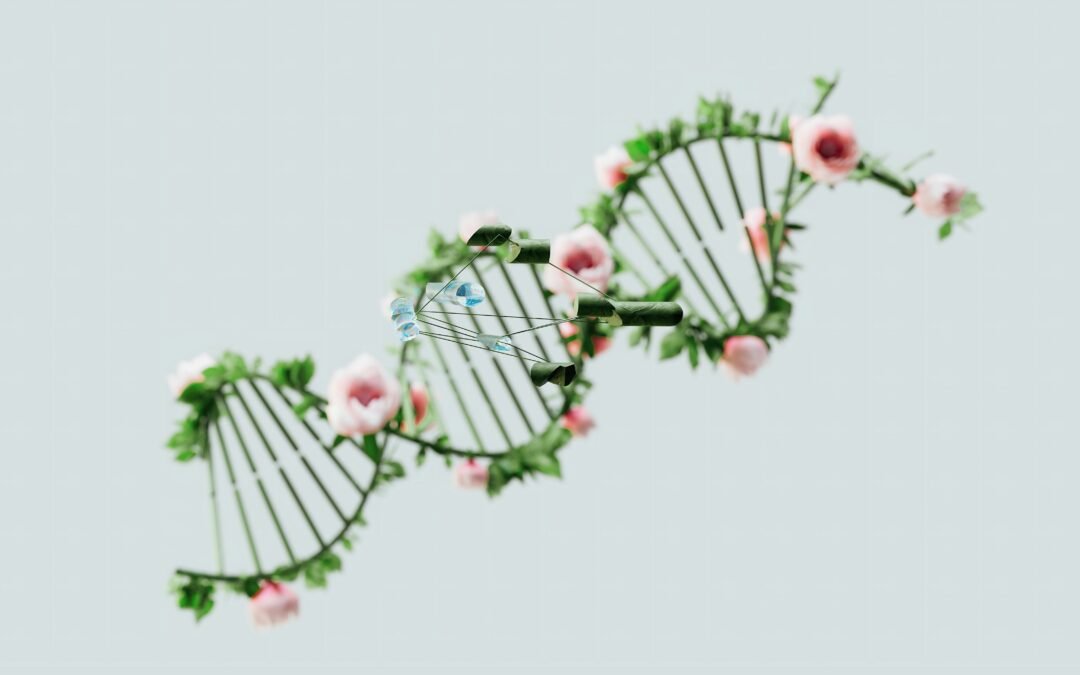
Think of DNA (deoxyribonucleic acid) as the master blueprint for your entire body. It’s a long, spiral ladder carrying all the instructions needed to build and operate you. Each rung of this ladder is made of chemical units called nucleotides.
These nucleotides are arranged in a specific sequence, and this sequence determines everything from your eye color to how your heart beats. When there’s a change in this sequence, it’s called a mutation, and it can sometimes lead to a genetic disorder.
### Genes: Specific Instruction Manuals
Within the long DNA blueprint, there are specific sections that carry instructions for making particular proteins. These sections are called genes. Each gene is like a mini instruction manual for a specific task. For example, one gene might tell your body how to make hemoglobin, the protein that carries oxygen in your blood.
If a gene has a mutation, the protein it’s supposed to make might not be made at all, or it might be made incorrectly. This faulty protein can then disrupt normal body functions, leading to a genetic disorder.
### Chromosomes: Organized Libraries of Genes
Your DNA isn’t just floating around randomly in your cells. It’s neatly packaged into structures called chromosomes. Think of chromosomes as organized libraries, with each gene being a book on a shelf. Humans typically have 46 chromosomes, arranged in 23 pairs. One set of 23 comes from your mother, and the other set of 23 comes from your father.
These chromosomes are crucial because errors can occur when they are being copied or sorted during cell division. These errors can lead to genetic disorders, which we’ll explore next.
2. Single-Gene Disorders: A Glitch in One Instruction

Imagine a single word misspelled in a crucial instruction manual. That’s essentially what happens in single-gene disorders, also known as Mendelian disorders. These occur when there’s a mutation in just one specific gene. Because genes come in pairs (one from each parent), how the disorder manifests depends on whether the faulty gene is dominant or recessive.
### Autosomal Dominant Disorders: One Copy is Enough
In autosomal dominant disorders, you only need one copy of the altered gene to develop the condition. “Autosomal” means the gene is located on one of the non-sex chromosomes (chromosomes 1-22). If one parent has the condition, there’s a 50% chance their child will inherit it.
Think of it like this: if you have a recipe where one strong ingredient dictates the whole flavor, even if you add another mild ingredient, the strong one still dominates. Examples include Huntington’s disease and Marfan syndrome.
### Autosomal Recessive Disorders: Two Copies Needed
For autosomal recessive disorders, you need to inherit two copies of the altered gene – one from each parent – to develop the condition. If you inherit only one copy, you’re considered a “carrier.” Carriers usually don’t show symptoms themselves, but they can pass the gene on to their children.
This is particularly relevant in populations where consanguineous marriages (marriages between close relatives) are common, as seen in some communities in India. Such marriages increase the likelihood of both parents carrying the same rare recessive gene, thereby increasing the risk of their children inheriting two copies and developing the disorder. Examples include cystic fibrosis, sickle cell anemia, and thalassemia.
### X-Linked Disorders: Genes on the Sex Chromosomes
X-linked disorders involve genes located on the X chromosome, one of the two sex chromosomes (the other being the Y chromosome). Females have two X chromosomes (XX), while males have one X and one Y chromosome (XY). This difference leads to unique inheritance patterns.
- X-linked recessive disorders: These typically affect males more severely. Since males only have one X chromosome, if that X carries a faulty recessive gene, they will express the disorder. Females, with two X chromosomes, usually need both X chromosomes to carry the faulty gene to be affected. If only one X is affected, they are often carriers and may have milder symptoms or none at all. Examples include hemophilia and Duchenne muscular dystrophy.
- X-linked dominant disorders: These are rarer. A single copy of the altered gene on the X chromosome is enough to cause the disorder in both males and females. However, males often experience more severe symptoms because they lack a second X chromosome to potentially mask the effect.
3. Chromosomal Disorders: Large-Scale Changes
Sometimes, the issue isn’t with a single gene, but with entire chromosomes or large segments of them. Chromosomal disorders involve missing, extra, or irregular portions of chromosomal DNA. These are usually much more impactful because many genes are affected at once.
### Aneuploidy: Missing or Extra Chromosomes
Aneuploidy refers to having an abnormal number of chromosomes. Instead of the usual 46 chromosomes (23 pairs), an individual might have too many or too few. This usually happens due to errors during cell division, particularly during the formation of egg or sperm cells.
- Trisomy: This is when there’s an extra copy of a chromosome, meaning there are three copies instead of the usual two. The most well-known example is Trisomy 21, also known as Down syndrome, where there’s an extra copy of chromosome 21. Other trisomies, like Trisomy 18 (Edwards syndrome) and Trisomy 13 (Patau syndrome), are often more severe.
- Monosomy: This is when there’s a missing copy of a chromosome, meaning only one copy is present instead of the usual two. A common example is Turner syndrome, where females are born with only one X chromosome instead of two (XO). Most other monosomies are not compatible with life.
### Structural Chromosomal Abnormalities: Rearrangements
Sometimes, the total number of chromosomes is normal, but parts of the chromosomes are arranged incorrectly. These are called structural chromosomal abnormalities.
- Deletions: A portion of a chromosome is missing. This can range from a very small piece to a large segment, and the severity depends on the size of the deletion and the genes involved.
- Duplications: A portion of a chromosome is duplicated, leading to extra copies of genes.
- Translocations: A segment of one chromosome breaks off and attaches to another chromosome. This can be balanced (no genetic material is lost or gained, just rearranged) or unbalanced (there’s a loss or gain of genetic material, which can cause health problems). Individuals with balanced translocations are often healthy but may have a higher risk of having children with unbalanced translocations.
- Inversions: A segment of a chromosome breaks off, flips upside down, and reattaches. Like balanced translocations, inversions usually don’t cause problems for the individual carrying them, but they can affect fertility or lead to issues in their offspring.
If you’re interested in learning more about the various types of genetic disorders, you might find it helpful to explore a related article that delves into the complexities of genetic conditions and their implications. This resource provides valuable insights into how these disorders can affect individuals and families. For a deeper understanding, you can read the article here: What Are the Different Types of Genetic Disorders?.
4. Complex (Multifactorial) Disorders: A Mix of Genes and Lifestyle
| Type of Genetic Disorder | Description | Cause | Examples | Inheritance Pattern |
|---|---|---|---|---|
| Single-Gene Disorders | Disorders caused by mutations in a single gene. | Mutation in one gene | Cystic Fibrosis, Sickle Cell Anemia, Huntington’s Disease | Autosomal Dominant, Autosomal Recessive, or X-linked |
| Chromosomal Disorders | Disorders caused by abnormalities in chromosome number or structure. | Extra, missing, or rearranged chromosomes | Down Syndrome (Trisomy 21), Turner Syndrome, Klinefelter Syndrome | Usually not inherited; often due to nondisjunction |
| Multifactorial Disorders | Disorders caused by a combination of genetic and environmental factors. | Multiple genes plus environmental influences | Heart Disease, Diabetes, Some Cancers | Complex inheritance patterns |
| Mitochondrial Disorders | Disorders caused by mutations in mitochondrial DNA. | Mutations in mitochondrial genes | Leber’s Hereditary Optic Neuropathy, Mitochondrial Myopathy | Maternal inheritance |
Not all genetic disorders fit neatly into the single-gene or chromosomal categories. Many common conditions are considered complex or multifactorial, meaning they are caused by a combination of genetic predispositions and environmental factors. It’s like a recipe where many ingredients (genes) and cooking techniques (environment/lifestyle) all contribute to the final dish.
### The Interplay of Genes and Environment
In complex disorders, there isn’t one single “faulty” gene. Instead, multiple genes might each contribute a small increased risk. These genetic susceptibilities then interact with external factors like diet, exercise, exposure to toxins, or even stress. For example, you might inherit genes that make you more susceptible to heart disease, but a healthy lifestyle could significantly reduce your risk. Conversely, an unhealthy lifestyle could trigger the condition even if your genetic predisposition is moderate.
Think of it as having several weak points in your body’s “defense system” (genetic factors), and certain environmental triggers are like attackers that can exploit those weak points.
### Examples of Complex Disorders
Many common chronic diseases fall into this category, making them challenging to study and prevent solely through genetic means.
- Heart Disease: A combination of genes influencing cholesterol levels, blood pressure, and inflammation, along with lifestyle choices like diet, smoking, and physical activity.
- Diabetes (Type 2): Involves multiple genes affecting insulin production and sensitivity, influenced by diet, obesity, and activity levels.
- Cancer: While some cancers have clear single-gene causes (like BRCA mutations in breast cancer), most cancers arise from a complex interplay of many genetic variations and environmental exposures (e.g., smoking, UV radiation).
- Asthma: Genes affecting airway inflammation and immune responses interact with environmental triggers like allergens, pollution, and infections.
- Alzheimer’s Disease: While certain genes like APOE are known risk factors, the development of the disease is also influenced by other genetic variants and environmental factors that are still being researched.
Understanding these disorders requires looking at the bigger picture, considering both your genetic inheritance and your daily life choices.
5. Mitochondrial Disorders: Powerhouse Problems
Finally, let’s talk about mitochondria. These are tiny organelles within most of your cells that act as your cell’s powerhouses, generating the energy needed for all bodily functions. Mitochondria have their own small circular DNA (mtDNA), separate from the DNA in the cell’s nucleus. Mitochondrial disorders occur when there are mutations in this mitochondrial DNA.
### Unique Inheritance Patterns
Mitochondrial disorders have a unique inheritance pattern: they are almost exclusively passed down from the mother to all her children. This is because mitochondria in the new embryo typically come only from the egg cell, not the sperm. So, if a mother has a mitochondrial DNA mutation, all her children will inherit it, though the severity of the disease can vary even within the same family.
This maternal inheritance pattern is a key distinguishing feature of these disorders.
### Energy-Related Symptoms
Since mitochondria are crucial for energy production, tissues that require a lot of energy, like the brain, muscles, heart, and liver, are often most affected. Symptoms can be wide-ranging and can include:
- Muscle weakness and exercise intolerance
- Neurological problems like seizures, developmental delays, and dementia
- Heart problems (cardiomyopathy)
- Vision and hearing loss
- Gastrointestinal issues
Mitochondrial disorders can be challenging to diagnose due to their varied symptoms and the fact that symptoms can appear at any age. They are often progressive, meaning they get worse over time. Research into treatments for these complex disorders is ongoing, aiming to improve energy production or manage symptoms.
This article is for general educational purposes and is not a substitute for professional medical or genetic counselling advice.
FAQs
What are the different types of genetic disorders?
Genetic disorders can be categorized into three main types: single gene disorders, chromosomal disorders, and multifactorial disorders.
What are single gene disorders?
Single gene disorders are caused by mutations in a single gene. Examples include cystic fibrosis, sickle cell anemia, and Huntington’s disease.
What are chromosomal disorders?
Chromosomal disorders are caused by abnormalities in the number or structure of chromosomes. Examples include Down syndrome, Turner syndrome, and Klinefelter syndrome.
What are multifactorial disorders?
Multifactorial disorders are caused by a combination of genetic and environmental factors. Examples include heart disease, diabetes, and some types of cancer.
Can genetic disorders be inherited?
Yes, genetic disorders can be inherited from one or both parents. In some cases, they can also occur spontaneously due to new mutations.