1. Demystifying DNA: Your Body’s Instruction Manual
Have you ever wondered what makes you, well, you? Your hair color, your eye shape, even how your body processes certain foods – it’s all written in a special code called DNA. Think of DNA as your body’s incredibly detailed instruction manual, passed down from your parents. This amazing molecule contains all the genetic information needed to build and maintain an organism.
Every cell in your body (except red blood cells) holds a complete copy of this instruction manual. It’s truly remarkable how this microscopic code influences so many aspects of your life. Understanding DNA is the first step to understanding what DNA testing is all about.
1.1 What Exactly Is DNA?
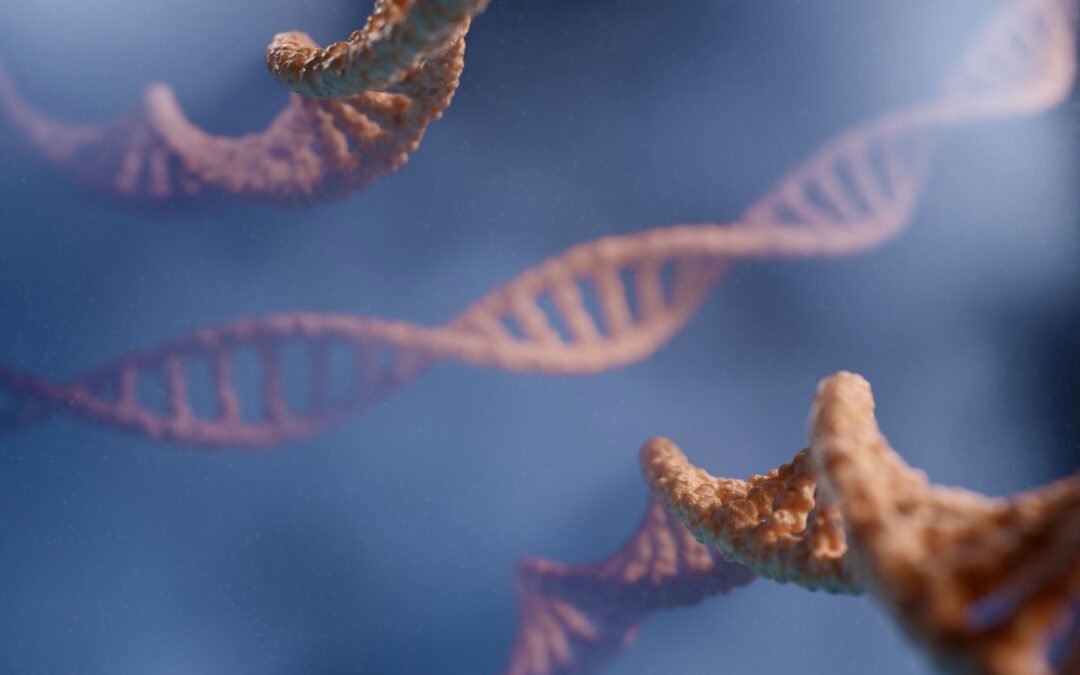
Deoxyribonucleic acid, or DNA for short, is a complex molecule found inside the nucleus of almost every cell. It’s famous for its double helix shape, which looks a bit like a twisted ladder. Each rung of this ladder is made up of pairs of chemical units called nucleotides.
There are four types of these nucleotide “bases”: Adenine (A), Guanine (G), Cytosine (C), and Thymine (T). They always pair up in a specific way – A with T, and C with G. The sequence of these A, T, C, and G letters forms the genetic code that dictates everything from your physical traits to your predisposition to certain health conditions.
1.2 Genes: Chapters in Your Manual
Within this vast instruction manual of DNA, there are specific sections called genes. You can think of genes as individual chapters that contain the instructions for making specific proteins. Proteins are the workhorses of your body, carrying out most of the cellular functions and giving cells their structure.
For example, there are genes that instruct your body on how to make the protein responsible for your eye color, or another gene that codes for a protein involved in your immune system. You inherit two copies of most genes, one from each parent. These pairs can sometimes have slightly different versions, which contributes to your unique characteristics.
1.3 Chromosomes: Organized Libraries
If DNA is the instruction manual and genes are the chapters, then chromosomes are the organized libraries where these manuals are stored. Inside the nucleus of each cell, your long strands of DNA are tightly packed and coiled around proteins to form these structures. Humans typically have 23 pairs of chromosomes, for a total of 46.
One pair of these chromosomes determines your biological sex (XX for females, XY for males), while the other 22 pairs are called autosomes and carry a wide range of genetic information. This organized structure ensures that the vast amount of genetic material is properly managed and passed on during cell division.
If you’re interested in learning more about the basics of DNA testing, you might find the article titled “Understanding the Basics of Genetic Testing” helpful. This resource provides an overview of how genetic testing works, its applications, and what you can expect from the process. For more insights, you can read the article here: Understanding the Basics of Genetic Testing.
2. Unpacking DNA Testing: What It Does

So, if DNA is your body’s instruction manual, then DNA testing is like reading specific parts of that manual. It involves analyzing your unique genetic code to find out information about your ancestry, health predispositions, or even to identify you. It’s a powerful tool that has many applications in various fields.
The core idea is to look at specific variations in your DNA sequence. These variations, often called “variants” or “mutations,” can be tiny changes in a single letter of the genetic code or larger deletions or insertions. Depending on where they occur and what gene they affect, these variants can have different implications.
2.1 The Basic Process: How It Works
Curious about how a DNA test actually happens? Generally, it’s quite simple from your end. You provide a biological sample, typically saliva or a cheek swab. These samples contain cells, and inside those cells is your precious DNA. The laboratory then extracts the DNA from your sample.
Once extracted, the DNA is amplified (made into many copies) so it can be analyzed. Different testing methods are then used depending on what information the test is looking for. This could involve looking at specific genes, markers across your genome, or even the entire exome (all protein-coding genes).
2.2 Types of Samples Used
The most common and convenient samples for DNA testing include:
- Saliva: This is a popular method for many at-home ancestry and wellness tests. You simply spit into a collection tube.
- Cheek Swab (Buccal Swab): A soft swab is rubbed against the inside of your cheek to collect cells. This is also very common and easy to do.
- Blood: For more detailed clinical or diagnostic tests, a blood sample is often required. Blood contains a high concentration of DNA.
- Hair Follicles: While hair strands themselves don’t contain DNA, the hair follicle (the root) does. This is sometimes used in forensic analysis.
- Other Tissue Samples: In medical settings, other tissue samples, such as skin biopsies or amniotic fluid during pregnancy, can be used for specific diagnostic purposes.
2.3 Common DNA Testing Technologies
There are various technologies labs use to “read” your DNA. Here are a few common ones:
- SNP Genotyping: This is widely used for ancestry and many consumer health tests. It looks at specific single nucleotide polymorphisms (SNPs), which are variations at a single point in your DNA. Think of it as checking a select few “addresses” in your instruction manual.
- Whole Exome Sequencing (WES): This technology sequences all the protein-coding regions of your genes, which make up about 1-2% of your entire genome but contain about 85% of disease-causing variants. It’s like reading all the important “chapters” of your manual.
- Whole Genome Sequencing (WGS): As the name suggests, this sequences nearly all of your entire genome, including both coding and non-coding regions. This is the most comprehensive type of genetic test, providing a complete “reading” of your entire instruction manual.
- Targeted Panel Testing: This focuses on a specific set of genes known to be associated with particular conditions or traits. For example, a cancer panel might look at genes linked to increased cancer risk. It’s like reading only a very specific “chapter” or “section” of your manual.
3. Why People Get DNA Tested: Exploring the Reasons

People choose to get DNA tested for a variety of fascinating reasons. From uncovering family history to understanding health risks, these tests offer a window into your genetic makeup. It’s important to remember that the information you receive can be incredibly personal and sometimes surprising.
The motivations behind seeking DNA insights are diverse, reflecting our innate curiosity about ourselves and our origins. While some tests are purely for entertainment or personal discovery, others have significant medical implications, often recommended by healthcare professionals.
3.1 Tracing Your Ancestry and Heritage
Perhaps one of the most popular reasons people get DNA tested is to learn about their ancestry. These tests can help you discover where your ancestors came from, often identifying regions and ethnic groups across the globe. It’s like getting a detailed map of your family’s journey through history.
You might uncover unexpected roots or connect with distant relatives you never knew existed. Some tests also track maternal and paternal lineage separately, using mitochondrial DNA (passed down from your mother) and Y-chromosome DNA (passed down from your father, if you are male). This can be particularly insightful for those interested in their family tree or historical migration patterns.
3.2 Understanding Health and Wellness Predispositions
Another significant area of DNA testing involves health and wellness. These tests can provide insights into:
- Genetic Health Risks: Identifying if you have a higher genetic predisposition for certain conditions, like type 2 diabetes or heart disease. It’s crucial to understand “predisposition” doesn’t mean you will get the disease, but rather that your genetic makeup might increase your chances compared to the general population.
- Carrier Status: Determining if you carry a gene variant that could cause a genetic condition in your children, even if you don’t have the condition yourself. This is especially relevant for family planning, particularly in communities where consanguineous marriages (marriages between close relatives) are common, as these can increase the likelihood of inheriting recessive genetic disorders.
- Pharmacogenomics: Understanding how your body might respond to certain medications. Some genetic variations can affect how you metabolize drugs, influencing their effectiveness or the likelihood of side effects. This can help doctors tailor medication choices for you.
- Trait Predispositions: Learning about genetic influences on various traits, such as caffeine metabolism, lactose intolerance, or even aspects of your fitness potential. These are often framed as “wellness insights” and can be interesting for personal curiosity.
3.3 Supporting Medical Diagnosis and Treatment
In a clinical setting, DNA testing plays a critical role in medical diagnosis and guiding treatment. Your doctor might recommend a genetic test if:
- Diagnosing Rare Diseases: When a person has symptoms that suggest a genetic condition, but a diagnosis has been elusive through other means.
- Cancer Treatment: Identifying specific genetic mutations in cancer cells (tumor profiling) can help guide targeted therapies, making treatment more effective.
- Pre-implantation Genetic Testing (PGT): For couples undergoing IVF, this testing can screen embryos for specific genetic conditions before implantation.
- Prenatal Testing: Non-invasive prenatal testing (NIPT) uses a blood sample from the pregnant parent to screen for certain chromosomal abnormalities in the fetus, such as Down syndrome.
- Newborn Screening: In some countries, newborns are routinely screened for a panel of genetic disorders shortly after birth, allowing for early intervention.
3.4 Forensic and Paternity Testing
Beyond personal and medical uses, DNA testing is also a cornerstone in forensic science and paternity cases.
- Forensic Science: DNA found at a crime scene (from blood, hair, skin cells, etc.) can be compared to samples from suspects or databases to help identify individuals. This has revolutionized criminal investigations.
- Paternity Testing: This test definitively determines the biological father of a child by comparing their DNA profiles. It’s highly accurate and commonly used for legal or personal reasons.
4. Understanding Your Results: What They Mean (and Don’t Mean)
Receiving your DNA test results can be exciting, but it’s crucial to interpret them correctly. The information you get can range from straightforward ancestry percentages to complex health risk assessments. Remember, your genes are only one piece of a much larger puzzle that includes your lifestyle, environment, and family history.
It’s easy to get overwhelmed or misinterpret the findings, especially concerning health-related results. Always approach your results with a thoughtful and informed perspective.
4.1 Ancestry Results: A Snapshot, Not the Whole Story
When you get your ancestry results, you’ll likely see percentages of ethnicity from various regions. These are estimates based on comparing your DNA to reference populations around the world. It’s a fascinating look into your genetic past!
However, it’s important to understand that:
- Estimates are Not Exact: The percentages are approximations and can vary slightly between testing companies due to different reference panels and algorithms.
- Geographic Boundaries are Modern: Ancestry estimates often refer to modern-day geographic regions, while human migration patterns were much more fluid historically.
- Don’t Over-interpret: A small percentage from a distant region doesn’t mean you have a direct ancestor from there in the last few generations. It could reflect ancient migratory patterns or shared genetic material that predates modern nation-states.
4.2 Health Results: Predispositions, Not Diagnoses
For health-related DNA test results, especially from consumer-facing companies, you’ll typically receive information about genetic predispositions or risks for certain conditions. This is a crucial distinction:
- Predisposition vs. Diagnosis: A genetic predisposition means you have a higher chance of developing a condition based on your genes. It does not mean you will definitively get the condition. Many other factors, like diet, exercise, and environment, play a huge role.
- Limited Scope: Many direct-to-consumer health tests only look at a small subset of genetic variants associated with common conditions. They don’t analyze all possible genetic risks, nor do they consider the full complexity of how multiple genes interact with each other and your environment.
- Actionable Insights: For some conditions, knowing about a genetic predisposition might empower you to make lifestyle changes to mitigate your risk. For others, it might simply be interesting information without immediate practical steps.
4.3 The Importance of Genetic Counseling
This is perhaps the most important takeaway regarding health-related DNA results. For any significant health findings, especially those related to disease risk or carrier status, consulting with a qualified genetic counselor is highly recommended.
- Expert Interpretation: Genetic counselors are trained professionals who can help you understand the nuances of your results, explain what they mean for you and your family, and discuss the limitations of the testing.
- Personalized Guidance: They can provide personalized advice on potential next steps, such as further diagnostic testing, lifestyle modifications, or referrals to specialists.
- Emotional Support: Receiving health-related genetic information can be emotionally impactful. Genetic counselors are skilled at providing support and helping you navigate these feelings.
- No Interpretation from the Article: This article cannot provide medical advice or interpret your personal results. Always seek professional guidance for health-related genetic findings.
If you’re curious about the various applications and implications of DNA testing, you might find it helpful to explore a related article that delves deeper into the subject. This informative piece discusses how DNA testing can be used for ancestry research, health insights, and even legal matters. For more details, check out this insightful resource on DNA testing.
5. Navigating the Landscape: Practical Considerations for DNA Testing
| Aspect | Description | Common Uses | Typical Timeframe | Accuracy |
|---|---|---|---|---|
| What is DNA Testing? | Analysis of genetic material to identify individuals or determine biological relationships. | Genealogy, paternity, forensic analysis, health risk assessment. | From a few days to several weeks depending on the test type. | Generally 99% or higher for identity and relationship tests. |
| Types of DNA Tests | Includes autosomal, Y-DNA, mitochondrial DNA tests. | Tracing ancestry, paternal lineage, maternal lineage. | 1-4 weeks. | High accuracy for lineage tracing. |
| Sample Collection | Usually cheek swab or saliva sample. | Non-invasive and easy to collect at home or clinic. | Minutes to collect; shipping time varies. | Reliable if sample is uncontaminated. |
| Cost Range | Varies by test complexity and provider. | Basic ancestry tests to comprehensive health screenings. | Not applicable. | Not applicable. |
| Privacy Considerations | Data security and consent are important. | Ensuring genetic data is protected and used ethically. | Ongoing concern. | Depends on provider policies. |
Deciding whether or not to get a DNA test involves more than just curiosity. There are practical aspects to consider, from costs and privacy to the ethical implications of genetic information. Being informed about these considerations can help you make a decision that feels right for you.
The field of DNA testing is rapidly evolving, with new technologies and services emerging regularly. Staying aware of these practicalities is key to a positive and responsible experience.
5.1 Cost of DNA Testing in India
The cost of DNA testing in India can vary significantly depending on the type of test, the laboratory, and the scope of analysis.
- Ancestry Tests: These are generally more affordable, often ranging from ₹5,000 to ₹15,000 (approximately $60-$180 USD), depending on the company and the level of detail offered.
- Health and Wellness Tests (direct-to-consumer): These can range from ₹8,000 to ₹25,000 or more, with prices reflecting the number of genes or markers analyzed and the depth of the health insights provided.
- Clinical/Diagnostic Tests (e.g., WES, WGS, targeted panels): These are typically much more expensive, often ranging from ₹20,000 to ₹1,00,000 or even more, as they involve comprehensive analysis and often medical interpretation. These are usually recommended by doctors and may sometimes be covered by health insurance, though this varies greatly.
- Paternity/Forensic Tests: Costs for these specific tests can also vary but generally fall within the ₹10,000 to ₹30,000 range.
It’s always a good idea to research multiple providers and understand what’s included in the price.
5.2 Accessing DNA Testing in India
Access to DNA testing in India is growing, with several national and international companies offering services.
- Online Providers: Many direct-to-consumer ancestry and wellness companies operate in India, allowing you to order kits online and send your samples to their labs (which may be overseas or have local collection centers).
- Indian Genetic Testing Labs: A number of reputable Indian laboratories offer a range of genetic tests, including clinical diagnostics, pharmacogenomics, and some direct-to-consumer wellness panels. You can often find these through online searches or medical referrals.
- Medical Referrals: For clinical or diagnostic genetic testing, your doctor will usually refer you to a specialized genetic clinic or hospital department that has access to or partners with genetic testing laboratories.
- Genetic Counseling Services: With the rise in genetic testing, genetic counseling services are also becoming more accessible in major Indian cities, often associated with hospitals or specialized clinics.
5.3 Privacy and Data Security Concerns
When you provide your DNA, you’re sharing incredibly personal and permanent information. Privacy and data security are paramount concerns.
- Who Owns Your Data? Understand the terms and conditions of any testing company you use. How will your data be stored? Will it be anonymized? Can it be shared with third parties (e.g., for research purposes) and under what conditions?
- Anonymization vs. De-identification: While companies often claim to anonymize data, some argue that with enough information, completely anonymizing genetic data is challenging. De-identification typically means removing direct identifiers but still allowing the data to be linked to certain characteristics.
- Potential for Misuse: Although rare, concerns exist about the potential for genetic information to be used for discrimination (e.g., by insurance companies or employers), though many countries have laws to prevent this.
- Data Breaches: Like any online data, genetic information is vulnerable to data breaches. Research the company’s security practices.
- Informed Consent: Always read and understand the informed consent document before providing your sample. It should clearly outline how your data will be used, stored, and protected.
5.4 Ethical Considerations and Limitations
Beyond the technical aspects, there are significant ethical considerations when engaging with DNA testing.
- Incidental Findings: Sometimes, a test looking for one thing might uncover unexpected information, such as a predisposition to a serious condition you weren’t expecting. Are you prepared for such findings?
- Impact on Family Members: Your DNA results can have implications for your biological relatives, as you share genetic material. Are you comfortable with potentially uncovering information that could affect them?
- Understanding Limitations: No DNA test is perfect or provides a complete picture of your health or future. Results often represent probabilities or predispositions, not certainties. Over-reliance on genetic information without considering other factors can be misleading.
- Emotional Impact: The information from DNA tests can evoke a range of emotions, from excitement and relief to anxiety and distress. Be prepared for the emotional journey and consider discussing results with a trusted friend, family member, or professional.
This article is for general educational purposes and is not a substitute for professional medical or genetic counselling advice.
FAQs
What is DNA testing?
DNA testing is a scientific method used to analyze an individual’s genetic material to determine their ancestry, relationships, and susceptibility to certain diseases.
How is DNA testing done?
DNA testing is typically done by collecting a sample of cells from the individual, usually through a cheek swab or saliva sample. The DNA is then extracted from the cells and analyzed in a laboratory.
What can DNA testing reveal?
DNA testing can reveal information about a person’s ethnic background, genetic health risks, biological relationships (such as paternity or siblings), and even inherited traits like eye color or hair texture.
Is DNA testing accurate?
When performed by a reputable laboratory using reliable methods, DNA testing is highly accurate. However, it’s important to note that no test is 100% infallible, and there can be limitations or margin of error in some cases.
What are the different types of DNA tests available?
There are several types of DNA tests available, including autosomal DNA tests, Y-DNA tests, and mitochondrial DNA tests. Each type serves a different purpose, such as determining overall ancestry, paternal lineage, or maternal lineage, respectively.